News
What is a Slewing Bearing? An In-Depth Look at Its Core Components
Overview: Understanding Slewing Bearings
A slewing bearing is a large-scale bearing capable of simultaneously withstanding axial forces, radial forces, and overturning moments. Unlike standard bearings, slewing bearings typically incorporate gear structures, enabling 360-degree continuous rotational motion. This critical component is widely used in various heavy equipment and precision machinery, playing an indispensable role particularly in Southeast Asia's rapidly developing construction industry, infrastructure projects, and renewable energy sectors.
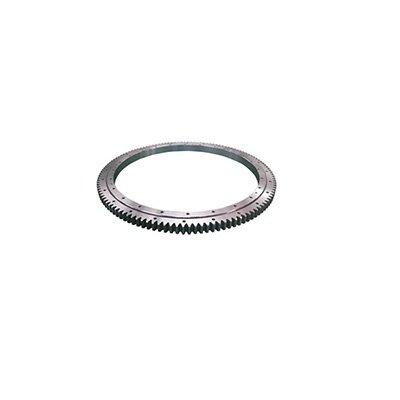
Basic Structure and Working Principle of Slewing Bearings
A slewing bearing consists of an inner ring, outer ring, rolling elements (balls or rollers), separator, and sealing devices. Its distinctive feature lies in the integrated gear ring design, which transmits torque and motion through pinion gear engagement. When external forces act on the rotating mechanical components, loads are transferred via the gears to the slewing ring, then evenly distributed throughout the structure before being ultimately transmitted to the machine base. This design enables equipment to achieve smooth rotational motion while withstanding multiple compound loads—a critical function ordinary bearings cannot fulfill.
Primary Applications of Slewing Bearings in Southeast Asia
1.Construction Equipment
In Southeast Asia's booming construction sector, slewing bearings serve as core components for tower cranes, excavators, concrete pump trucks, and similar machinery. Particularly in high-rise projects across major cities like Bangkok, Kuala Lumpur, and Singapore, these bearings ensure the safe and stable operation of heavy lifting equipment.
2.Renewable Energy Equipment
As Southeast Asian nations increase investment in renewable energy, slewing bearings play an increasingly vital role in wind turbines and solar tracking systems. In Vietnam and the Philippines' wind farms, these bearings enable turbine blades to automatically adjust their angle according to wind direction, maximizing power generation efficiency.
3.Port and Logistics Equipment
Major ports in Singapore, Malaysia, and Indonesia utilize container cranes, stackers, and handling equipment equipped with slewing bearings. These devices efficiently process cargo, supporting the operation of regional logistics networks.
Selecting the Right Slewing Bearing: A Southeast Asian User Guide
Southeast Asia's tropical climate (high temperatures, humidity, and salinity) imposes unique demands on slewing bearings. When selecting bearings suited to local conditions, consider the following factors:
1.Corrosion Resistance
Coastal regions require bearings with specialized surface treatments (e.g., galvanization or marine-grade coatings) to withstand salt corrosion.
2.Thermal Adaptability
Materials must maintain stable performance in high-temperature, high-humidity environments. Sealing systems should prevent moisture and dust ingress while withstanding UV exposure.
3.Load Capacity
Calculate required axial load, radial load, and overturning moment capacity based on specific applications, incorporating adequate safety margins.
4.Maintenance Accessibility
Select models featuring grease nipples and replaceable seal designs for convenient maintenance in remote locations.
5.Maintenance Best Practices
Regular maintenance is critical for extending slewing bearing lifespan:
- Inspect seal integrity every 3-6 months
- Replenish grease every 1-3 months based on usage frequency and environmental conditions
- Periodically remove accumulated dust and debris
- Inspect gear tooth surface wear
- Monitor for abnormal noise or vibration signs
Frequently Asked Questions
Q: What is the average service life of a slewing bearing?
A: Under normal maintenance conditions, slewing bearings typically last 5-10 years, depending on application conditions, load levels, and maintenance quality.
Q: How can I determine when a slewing ring needs replacement?
A: Consider replacement when encountering rough rotation, abnormal noise, visible cracks, or severe tooth surface wear.
Q: Which slewing ring bearings Manufacturer operate in Southeast Asia?
A: Beyond international brands, numerous local suppliers offer products and services tailored to regional conditions. Select reliable suppliers with technical support and after-sales service.
Conclusion: Future Development of Slewing Rings
As industrialization and infrastructure development continue to advance in Southeast Asia, demand for slewing bearings will grow steadily. Future trends include intelligent features (integrated sensors for real-time condition monitoring), lightweight designs (utilizing new materials), and energy efficiency improvements (optimized friction performance). Understanding the fundamentals and selection principles of slewing bearings will empower engineers, procurement professionals, and equipment operators in Southeast Asia to make informed decisions, ensuring safe and efficient machinery operation.
Categories
Latest News
- What is the working principle of slewing bearings?
- What is a Slewing Bearing? An In-Depth Look at Its Core Components
- How Do Slewing Ring Bearing Manufacturers Ensure Exceptional Rotational Precision?
- How to Choose the Right Slewing Bearing Manufacturer
- How to Effectively Evaluate a Slewing Bearing Manufacturer