News
How to Effectively Evaluate a Slewing Bearing Manufacturer
As a critical component in heavy-duty equipment such as construction machinery and wind power systems, evaluating slewing bearing manufacturers requires a comprehensive assessment that combines industry-specific characteristics and financial performance. Below is a systematic evaluation method, tailored for the needs of international trade official websites, to help you fully understand how to select high-quality slewing bearing manufacturers, turntable bearing suppliers, or rotational bearing producers.
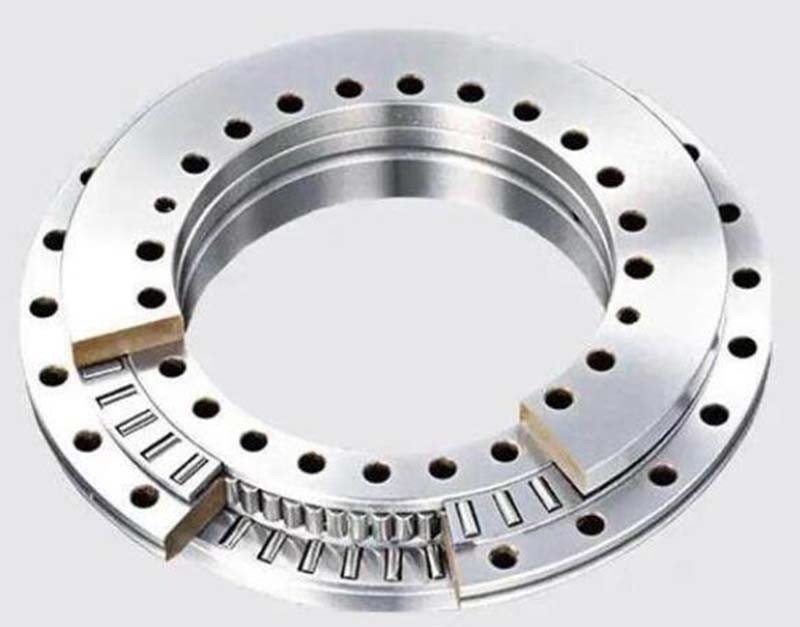
I. Industry Terminology and Product Awareness
Slewing bearings go by multiple names in the industrial sector; understanding these terms will help you evaluate manufacturers more professionally:
Primary Names: Slewing bearing, slewing ring bearing, turntable bearing, rotational bearing Industry Nicknames: The "joints" of machinery, large gear rings, large turntables
These slewing bearing products are widely used in:
- Construction machinery (excavators, cranes)
- Wind power equipment (main shaft bearings for wind turbines)
- Port machinery (container cranes)
- Metallurgical equipment (converter tilting devices)
II. Evaluation of Technical Capabilities
1. R&D and Innovation Capabilities
High-quality slewing bearing manufacturers should demonstrate:
- R&D investment accounting for 3-7% of revenue (industry leaders may exceed 7%)
- Number of patents (especially invention patents)
- Specialized process capabilities (e.g., induction hardening technology without soft zones)
2. Production Equipment and Processes
When assessing production facilities, focus on:
- Precision of CNC machining centers (up to 0.01mm)
- Heat treatment equipment (controlled atmosphere protective heat treatment)
- Testing equipment (coordinate measuring machines, hardness testers)
3. Quality Certification Systems
Professional manufacturers should hold:
- ISO 9001 Quality Management System Certification
- GL Certification for wind turbine bearings
- Special Equipment Manufacturing License
III. Evaluation of Production and Operations
1. Production Capacity and Scale
- Annual production capacity (by tonnage or unit count)
- Maximum machining diameter (up to 5 meters or more)
- Minimum order quantity acceptance capability
2. Quality Control
- Defect rate (industry average: 1.5-2.5%)
- Process control methods (SPC - Statistical Process Control)
- Material traceability systems
3. Supply Chain Management
- Source of raw materials (suppliers of special steel)
- Self-manufacturing rate of key components
- Lead time (typically 4-8 weeks)
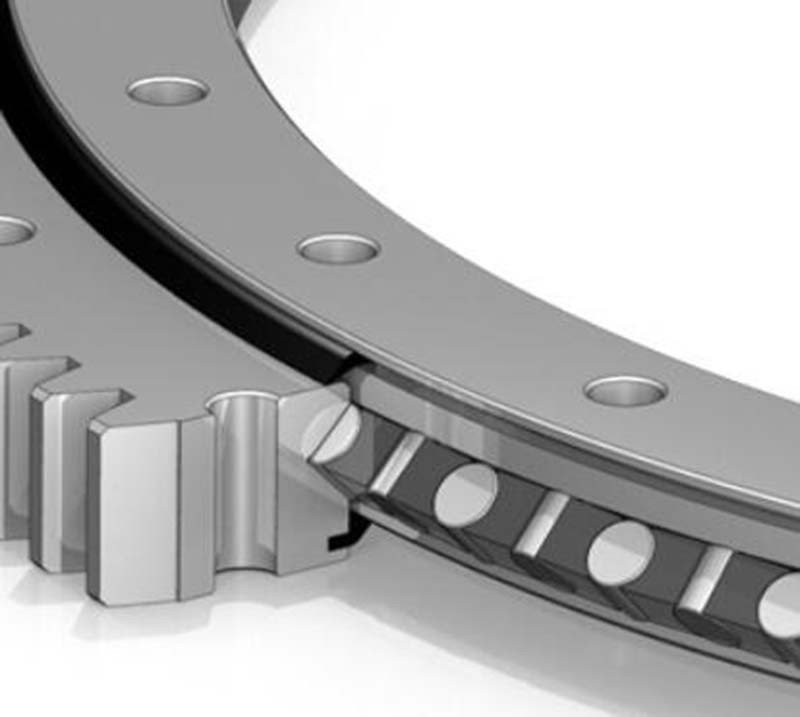
IV. Evaluation of Market Performance
1. Industry Position
- Years in operation (10+ years is preferred)
- Core customer segments (wind power, construction machinery, etc.)
- Market share (ranking in niche segments)
2. Financial Health
- Revenue growth rate (industry average: 8-12%)
- Gross profit margin (25-30% is a healthy range)
- Accounts receivable turnover days (90-120 days)
3. Export Experience
- Number of export destinations
- International certifications (e.g., CE, UL)
- Multilingual support capabilities
V. Evaluation of Services and Support
1. Pre-Sales Services
- Response speed for technical consulting
- Customized design capabilities
- Sample provision policies
2. After-Sales Services
- Warranty period (typically 1-2 years)
- Spare parts supply guarantees
- On-site service network
3. Technical Support
- Team of application engineers
- Fault diagnosis capabilities
- Operation and maintenance training services
VI. Environmental and Social Responsibility
Modern turntable bearing manufacturers should prioritize:
- Environmental compliance (wastewater and exhaust gas treatment)
- Energy management systems
- Employee health and safety standards
- Community engagement initiatives
VII. Recommended Evaluation Process
Initial Screening
1. Gather information on 3-5 candidate manufacturers
2. Analyze official websites and industry reports
In-Depth Assessment
1. Arrange factory visits
2. Review quality documents
3. Test sample performance
Comprehensive Comparison
1. Create an evaluation scorecard
2. Conduct cost-benefit analysis
3. Assess long-term cooperation potential
Final Decision
1. Sign technical agreements
2. Define acceptance criteria
3. Establish communication mechanisms
Through this systematic evaluation method, you can gain a comprehensive understanding of a rotational bearing manufacturer’s overall strength and select the partner that best aligns with your business needs. Remember, evaluation should not focus solely on price—technical capabilities, quality assurance, and long-term service support are equally critical.
Categories
Latest News
- What is the working principle of slewing bearings?
- What is a Slewing Bearing? An In-Depth Look at Its Core Components
- How Do Slewing Ring Bearing Manufacturers Ensure Exceptional Rotational Precision?
- How to Choose the Right Slewing Bearing Manufacturer
- How to Effectively Evaluate a Slewing Bearing Manufacturer